Landmark
Old lighthouse
An old lighthouse on the shore, overlooking the sea and the town.

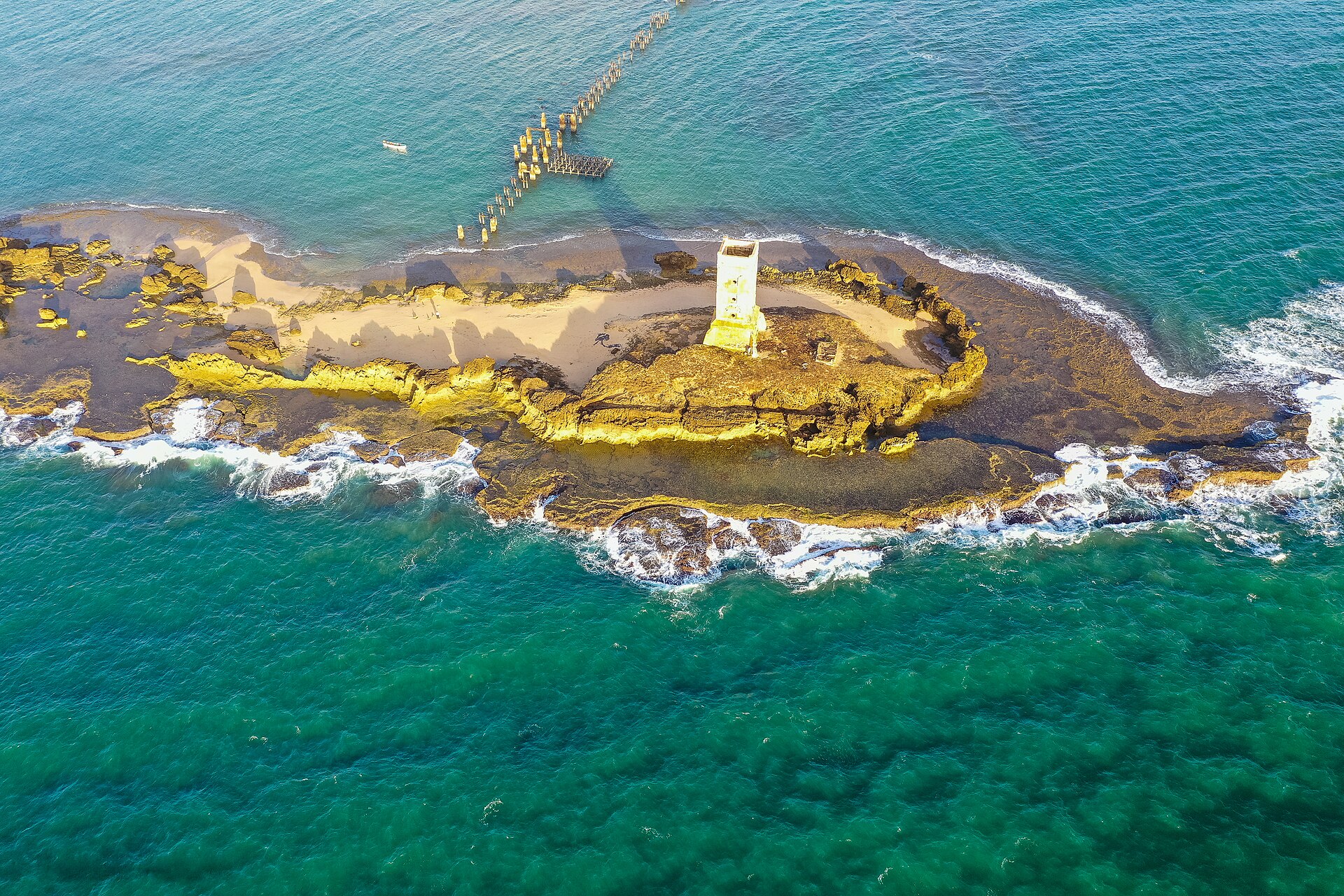
An ancient coastal town with its own language and literary tradition, renowned scholars and an old lighthouse over the sea, named capital of South West State in 2014.
Barawa (Baraawe), also known as Brava, is a port town on the southern coast of the Lower Shabelle region and one of the oldest towns on the Somali coast. It has a distinct identity: part of its population speaks Chimwiini, or Bravanese, a variety related to Swahili.
The 2014 interim constitution of South West State named Barawa as the state's capital, although most of the administration works from Baidoa. Fishing and the small port remain at the heart of daily life.
An old lighthouse on the shore, overlooking the sea and the town.
The beach where fishermen launch and land their boats each day.
The old quarters, with narrow lanes and historic mosques.
Barawa was a medieval trading port alongside Merca and Mogadishu, and a place where Islam was firmly established early on. Ships of the Chinese admiral Zheng He visited on his fifth voyage (1417–19). In the early 16th century the Portuguese attacked and burned the town, which its people later rebuilt.
The town has produced celebrated scholars and poets. Sheikh Uways al-Barawi (1847–1909) spread a branch of the Qadiriyya Sufi order across East Africa, and the poet Dada Masiti composed religious verse in Chimwiini that is still recited today. The French explorer Charles Guillain called in the 1840s, and the town later became part of Italian Somaliland.
Barawa's culture blends Somali and Swahili-coast traditions. Chimwiini is spoken by the Bravanese community, many of whom were scattered by the civil war to Kenya, the UK and the US. The poetry of Dada Masiti and the town's tradition of Islamic scholarship remain points of local pride.
Fishing, the small port and trade with the farming and herding hinterland are the mainstays of the local economy, and wooden boats still work from the beach.