Nature
Sepiolite pits
A shallow depression near town where sepiolite clay is dug from the ground.

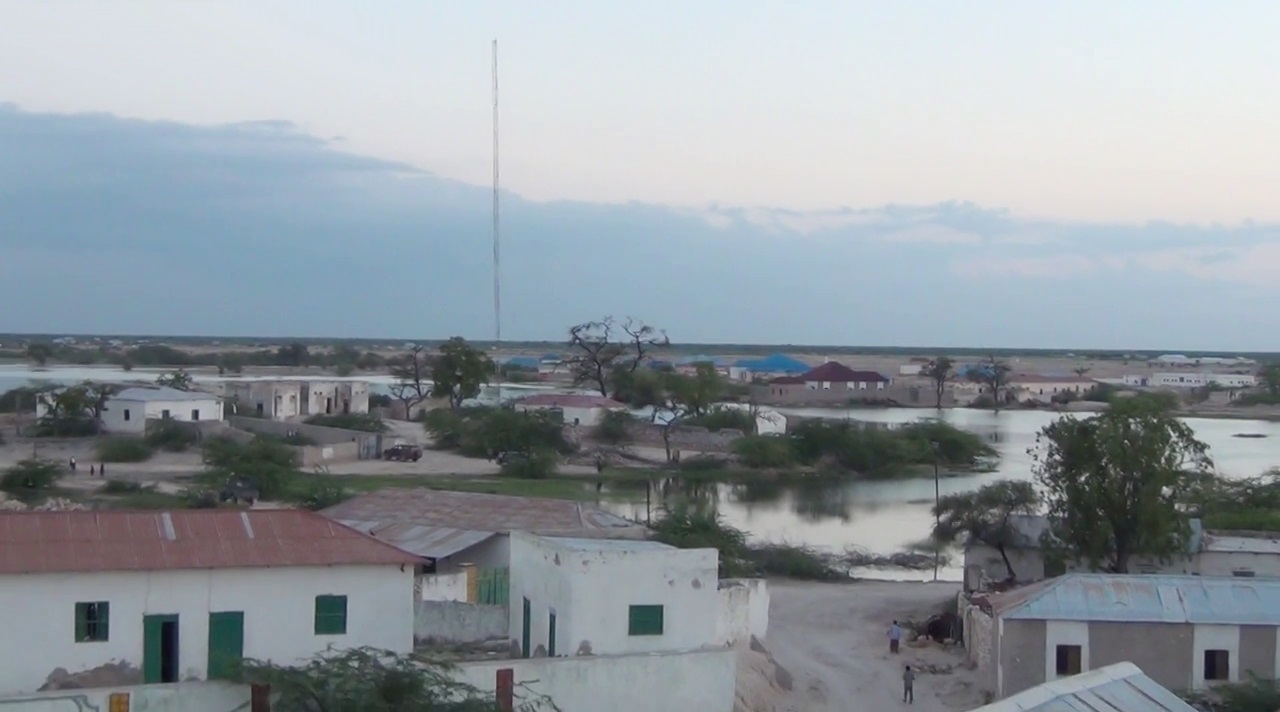
A central Somali town famed for its sepiolite (meerschaum) deposits, the soft white stone carved into the traditional dabqaad incense burner.
El Bur (Somali: Ceelbuur) is the seat of Ceelbuur District in Galguduud region, Galmudug State. In a playa-like depression near the town, almost pure sepiolite clay comes to the surface.
This mineral, also known as meerschaum, is a soft white stone that is easy to carve. Local craftsmen shape it into the dabqaad, the traditional burner for frankincense and uunsi incense, and into smoking pipes.
A shallow depression near town where sepiolite clay is dug from the ground.
Local craftsmen who carve the stone into incense burners and pipes.
El Bur has long been home to local clans. In the 1920s it was a site of resistance to Italian colonial rule, and in 1925 forces led by Omar Samatar took the town. In August 2023 government forces and local militias regained control of it.
The dabqaad carved from El Bur stone is a fixture of Somali homes: frankincense or uunsi is burned in it to perfume the house, especially when guests are expected or on special occasions.
Quarrying sepiolite and carving it into dabqaad burners and pipes is a distinctive local industry, and livestock also plays an important part in the district's livelihoods.