Historic
Former sugar factory
The buildings of the once-famous sugar factory, a reminder of the town's history.

Seat of Middle Shabelle and of the Hirshabelle State administration on the Shabelle River, a town that grew from a 1920 Italian sugar estate and is known for its green farmland.
Jowhar is the capital of the Middle Shabelle region and, since 2016, the seat of the Hirshabelle State administration. It lies on the Shabelle River about 90 km north of Mogadishu, surrounded by some of the most fertile farmland in the country.
The modern town's story is bound up with sugar: it grew from an Italian-era estate and sugar mill, and the old sugar factory is still a local landmark.
The buildings of the once-famous sugar factory, a reminder of the town's history.
The river that feeds Jowhar's farms, its banks lined with green fields.
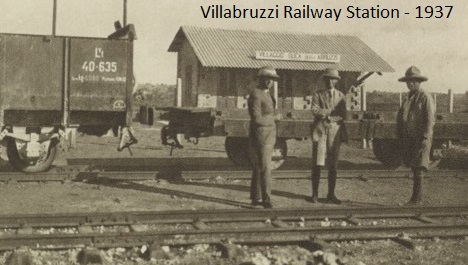
In 1920 Prince Luigi Amedeo, Duke of the Abruzzi, founded the SAIS agricultural company and a farming settlement named Villaggio Duca degli Abruzzi, or Villabruzzi. A sugar mill opened in 1928, the same year a railway linked the settlement to Mogadishu. By 1957 sugar output had reached 11,000 tonnes and Italian Somaliland no longer needed to import sugar.
At independence the town took the name Jowhar. In the 1970s the government nationalised the sugar plant and expanded operations here. In 2005 Jowhar briefly hosted the Transitional Federal Government, and in 2016 it became the seat of the newly formed Hirshabelle State.
Jowhar is a riverside farming town whose rhythm follows the crop seasons and the level of the river. Traditional dance troupes are a fixture of public celebrations.
Irrigated farming along the Shabelle, from cereals to vegetables and fruit, is the mainstay of the economy, and sugar was the town's defining industry in the 20th century. River floods periodically hit farms and villages; in 2020 flooding affected more than 98,000 people in the district.