Nature
Juba riverfront and palm groves
Riverbanks lined with palms and irrigated fields.

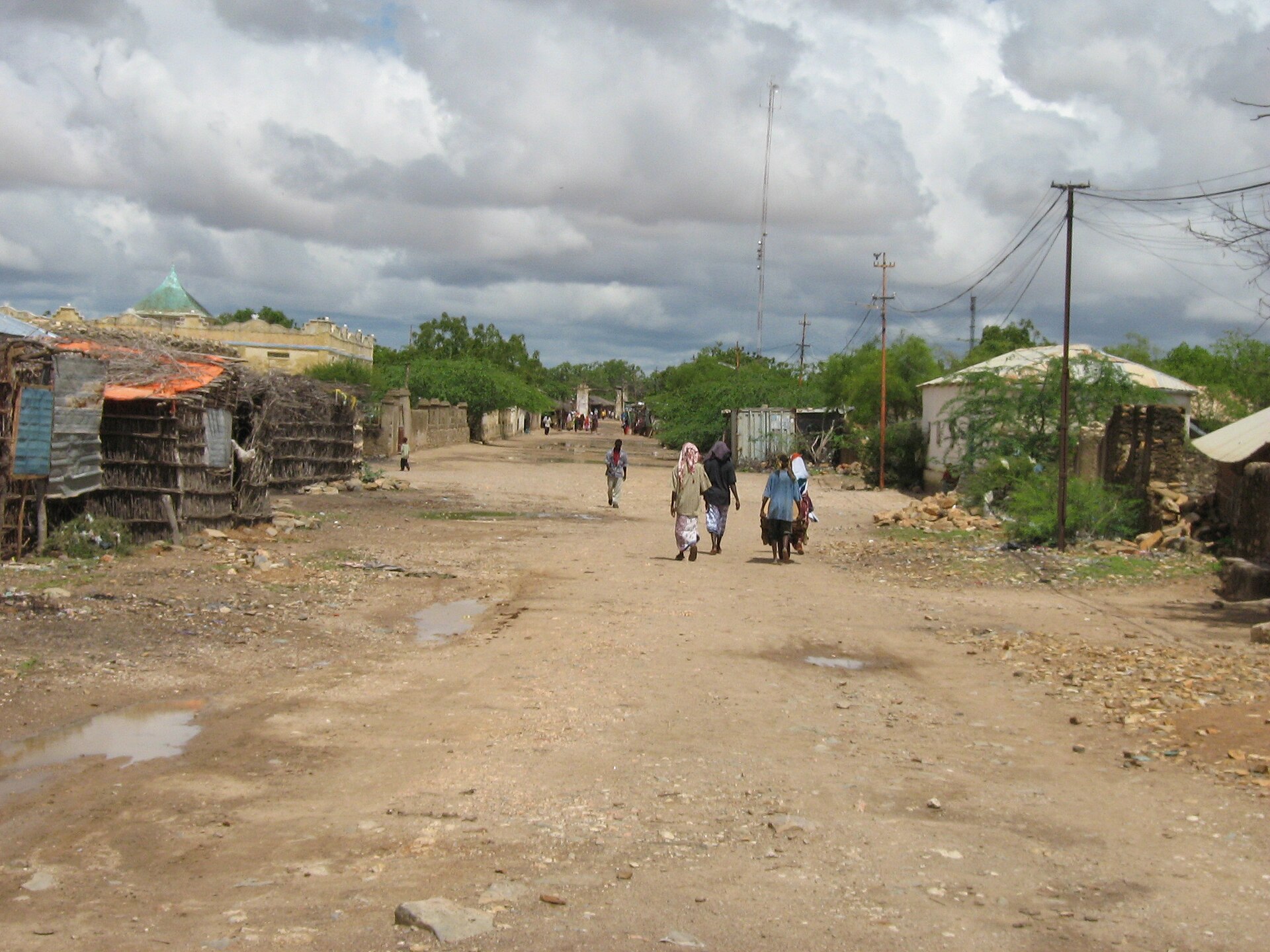
A historic Juba River town in Gedo, once a renowned centre of Islamic learning, set among palms and irrigated farms along the riverbanks.
Baardheere (Bardera) stands on the Juba River in Gedo region. It is the seat of Baardheere District and one of the main towns of the upper Juba valley, where riverside farms, herders and busy markets meet.
The name is popularly explained as "tall palm" (baar dheer), after the palms that line the river. In the 19th century Baardheere was famous across southern Somalia as a centre of religious scholarship and Islamic law.
Riverbanks lined with palms and irrigated fields.
Around 1819 a reformist religious community (jamaa) was founded at Baardheere by Sheikh Ibrahim Hassan Yabarow and his followers. The movement imposed strict rules, banning tobacco and popular dancing and opposing the ivory trade, and around 1840 its forces reached the coast and took Barawa.
Its rise alarmed the Geledi Sultanate. In 1843 Sultan Yusuf Mahamud led a coalition army up the Juba, besieged Baardheere for several days and sacked it, reopening the trade route to the coast. In 1865 the German explorer Karl Klaus von der Decken died near Baardheere after his small steamer, the Welf, was wrecked in the river's rapids. The town later became part of Italian Somaliland, and after 1960 the centre of Baardheere District.
Baardheere has long been known for Islamic scholarship and jurisprudence, drawing students and teachers from across Somalia and the Horn of Africa. The town's identity is still tied to the river, where farmers, herders and traders meet in its markets.
The economy rests on farming and livestock. Medium and small farms near the river irrigate with pumps and canals, while sorghum, maize and beans are grown in the two rainy seasons; the area is known for its onions. Produce has traditionally gone to Mogadishu, Kismayo and Baidoa, and cross-border trade with Kenya has grown.